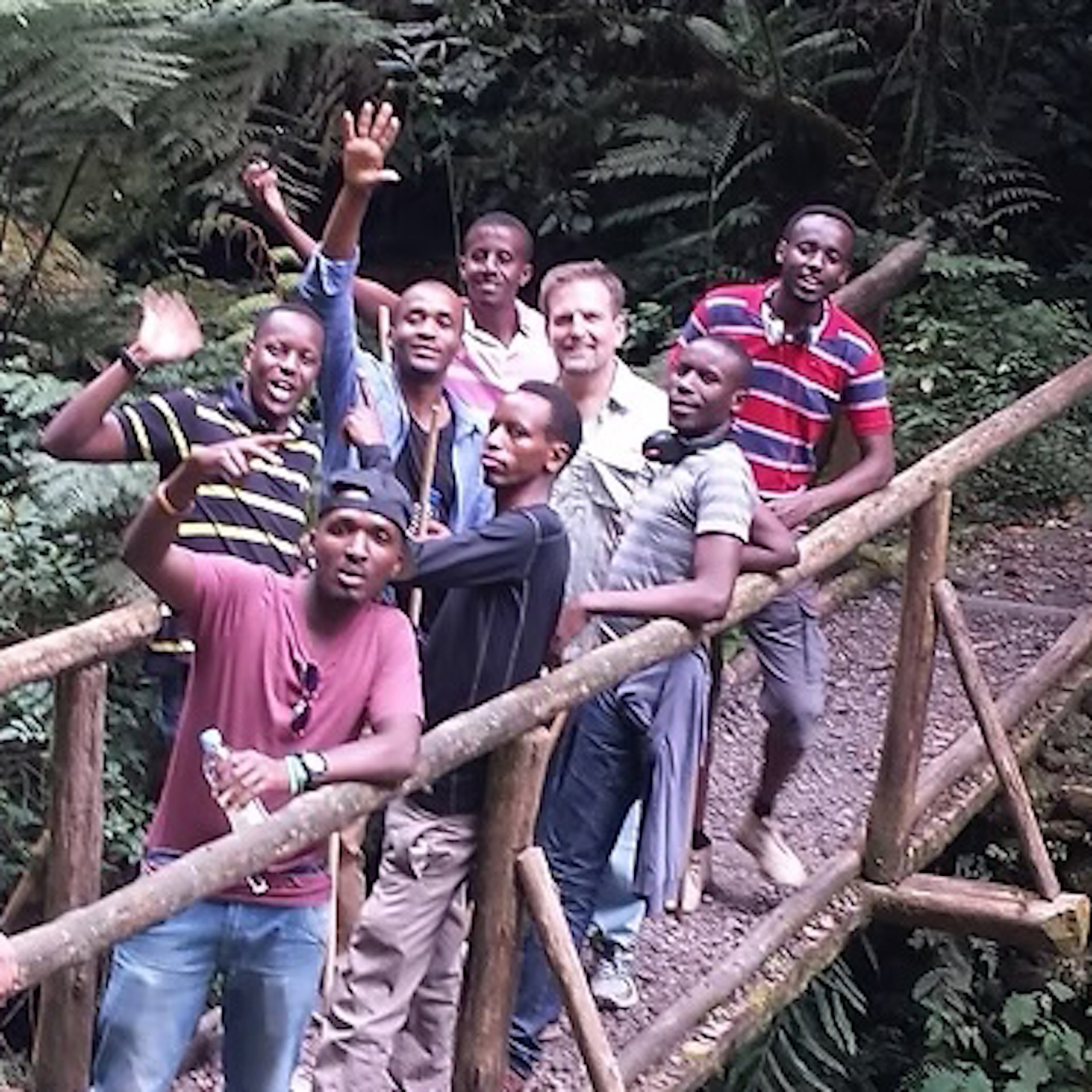
The idea of Rungano-Ndota Initiative (RNI) is born out of conversations between Rwandans and Americans on a trip to Rwanda’s Nyungwe Forest.
Rwanda Youth Partnership (RYP) first comes together as “Rungano-Ndota Friends” based in Boston, USA, operating through a fiscal agent.
Rungano-Ndota's founding Leadership Team develops program plans and prepares to launch with local officials in Ruhango District.
2017
Rungano-Ndota Initiative launches in Ruhango District in January. 60 youth are participating. The Initiative is welcomed by Benimpuhwe Organisation, an established Rwandan NGO, that provides a legal home for RNI.
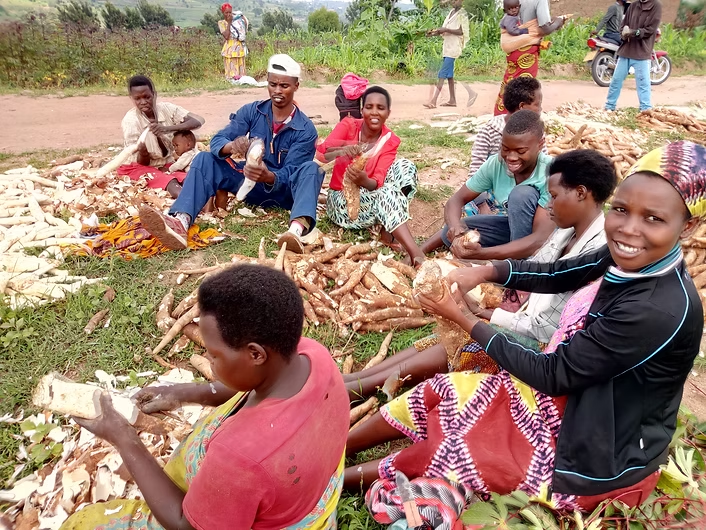
The Honey Cooperative is the first RNI business operating. The Cassava Cooperative develops and launches with support from its members and the Friends. RNI cooperatives continue to form every year going forward.
“Friends” visit in February and July to support the effort and plan with the RNI team. These visits for collaboration and coaching continue in the years ahead.
2018
Rungano-Ndota now engages 100 youth. In August, the "Friends" host an informal delegation of visitors to Rwanda and RNI. On this visit, RYP and RNI team up to create the RNI Business Bootcamp, teaching business planning to RNI youth.
Recognizing the power and impact of Rungano-Ndota’s work, the Friends become “Rwanda Youth Partnership” (RYP) and begin to formalize the organization and activities.
2019
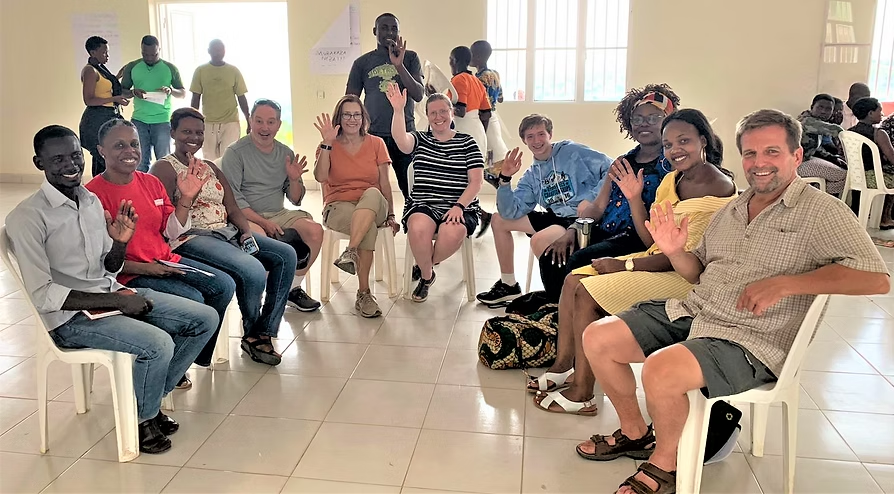
Rungano-Ndota expands to 150 youth. Program activities continue to expand. RYP hosts its first formal delegation with visitors from the USA and Uganda.
RYP registers as a legal corporation in Massachusetts and nationally. RYP hosts a series of fundraising house parties in the Boston area.
2020
Rungano-Ndota expands to 200 youth – just in time for the Covid-19 pandemic! RYP and RNI collaborate steadily throughout the crisis.
One major innovation during the pandemic is a new Business Relief Loan Fund to support youth’s personal businesses through the challenges of Covid. RNI staff coach all 200 youth so they can apply for an interest-free microloan that is 50% grant due to the circumstances. RYP donors respond to make it possible.
In May RYP and RNI begin co-hosting “Virtual Visits to Rwanda” which engage almost 150 supporters by the end of the year.
In November, RNI and RYP launch an annual virtual event, Umuhuro: Celebrating Partnership!”
RYP receives 501c3 nonprofit status from the US Government and becomes an independent nonprofit organization.
2021
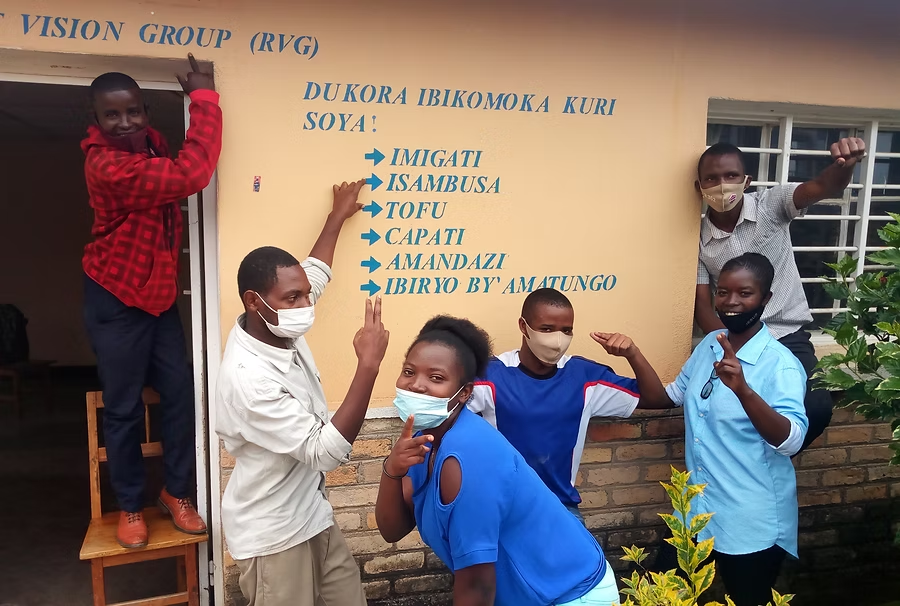
“Tofu Fresh” opens, RNI’s newest cooperative, selling tofu and products like tofu samosas and mandazi (donuts) made with soy milk. Business is strong and the cooperative creates 4 full-time jobs!
The RNI Loan Fund proves to be a successful pandemic innovation, as 100% of youth follow through successfully with loan repayments. Careful coaching and support from staff keep the relationships strong while youth businesses not only survive the pandemic but also grow!
2022
The Russian attack on Ukraine creates dramatic price inflation. To protect gains made by RNI youth businesses, RNI rolls out a round of Business Support Grants with careful coaching to guide youth in effective use of the grants to adjust to inflation. Despite the sudden economic pressure, no RNI youth businesses close.
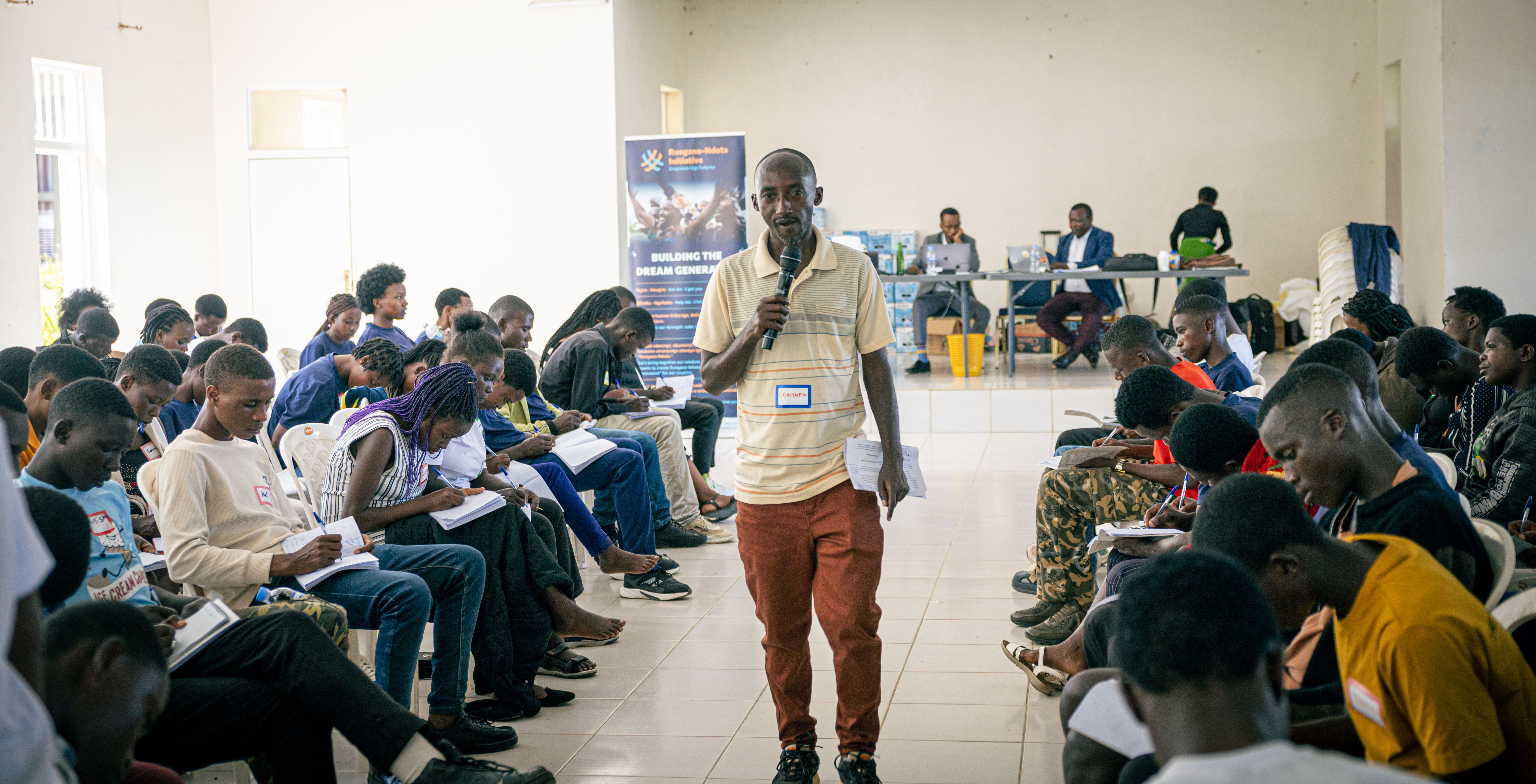
In June, Rungano Days return after Covid, uniting the entire community of over 200 youth for the first time in years!
In June, RNI and RYP host our first Leadership Exchange Delegation since 2019, in a reduced format for the end stages of the pandemic.
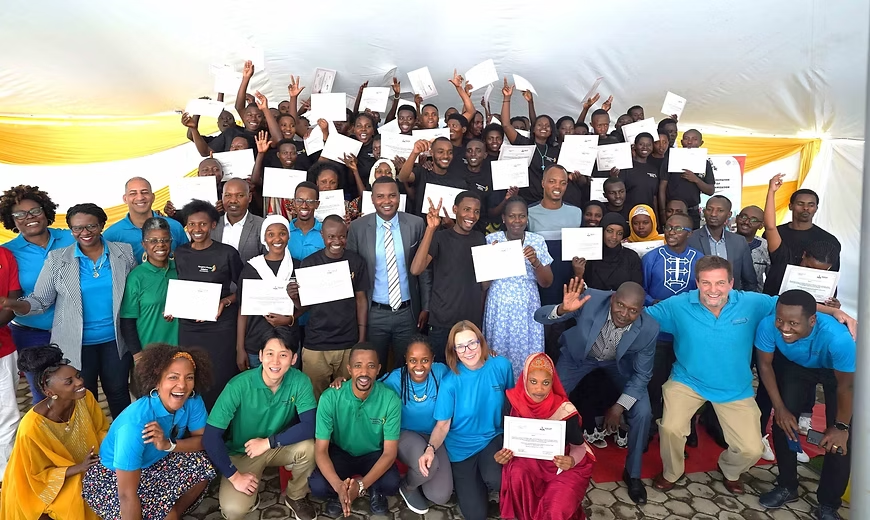
In December, RNI holds its first Inkera Celebration: Graduation and Business Expo! With local authorities, RYP visitors, and media coverage in Rwanda, RNI graduates its first group of 73 youth.
Graduates announce plans to create Inyenyeri z’uRungano, the Stars of Rungano Alumni Network! Mushrooms Cooperative opens in time to sell their first crop at the Inkera Business Expo!
2023
Graduates and Staff collaborate to design and launch the Inyenyeri Alumni Network.
With continued success of 100% of RNI youth paying back the Loan Fund, RNI decides to continue making small loans even to graduates.
RNI begins to establish a Board of Directors as step towards registration as an independent Rwandan NGO.
2024
Inkera z’Urungano moves to February. The event is covered in national tv and print media.
The Inyenyeri alumni network engages ___ of RNI’s graduates as active, dues-paying members. They establish a leadership team across Ruhango District and create saving groups, new businesses, and a wide range of community service projects.
Supporters in Rwanda begin to form a network of support as “Twese for Rungano” (All of Us for Rungano-Ndota). Rwandans begin to provide financial support, business connections, and volunteers who participate in Rungano Days.
By the end of 2024 the RNI Loan Fund has ____ active first loans, ___ active second loans, and ___ active third loans. And still not a single default.
2025
The core program expands to 250 youth.
Rungano-Ndota Initiative is certified by the Rwanda Governance Board as a national NGO. The organization begins to transition to independence after a decade growing as a program of Benimpuhwe Organization. The Corn Cooperative is awarded a large greenhouse by the Rwandan Ministry of Youth, allowing them to diversify their crops and expand their business.
Ruhango District local government enters a formal partnership with Rungano-Ndota Initiative, including providing TVET (trade school) scholarships for all youth selected by RNI.
95% of graduates pay dues and become active in the Inyenyeri Alumni Network.
By the end of 2025 the RNI Loan Fund has ____ active first loans, ___ active second loans, and ___ active third loans. And still not a single default.
2026
RNI increases its commitment to the community - again expanding the core program, this time to 300 youth. With 250 graduates, the organization now engages 550 young people across the District.
Inkera u’Urungano reaches new heights as The Expo in Ruhango! Over 1,000 people attend and many youth businesses sell out all their goods! RNI hires a graduate onto the staff for the first time, a new role building Twese for Rungano, the Rwandan community of support.
In order to expand impact further, the RNI team revises the core program into a 2-year model. Many activities are decentralized to local communities at the sector level, in partnership with local officials.
The Inyenyeri alumni support the move to increase community impact by giving more as volunteers to mentor rising youth, and also by increasing their own annual alumni dues.




%20copy.avif)
.jpg)